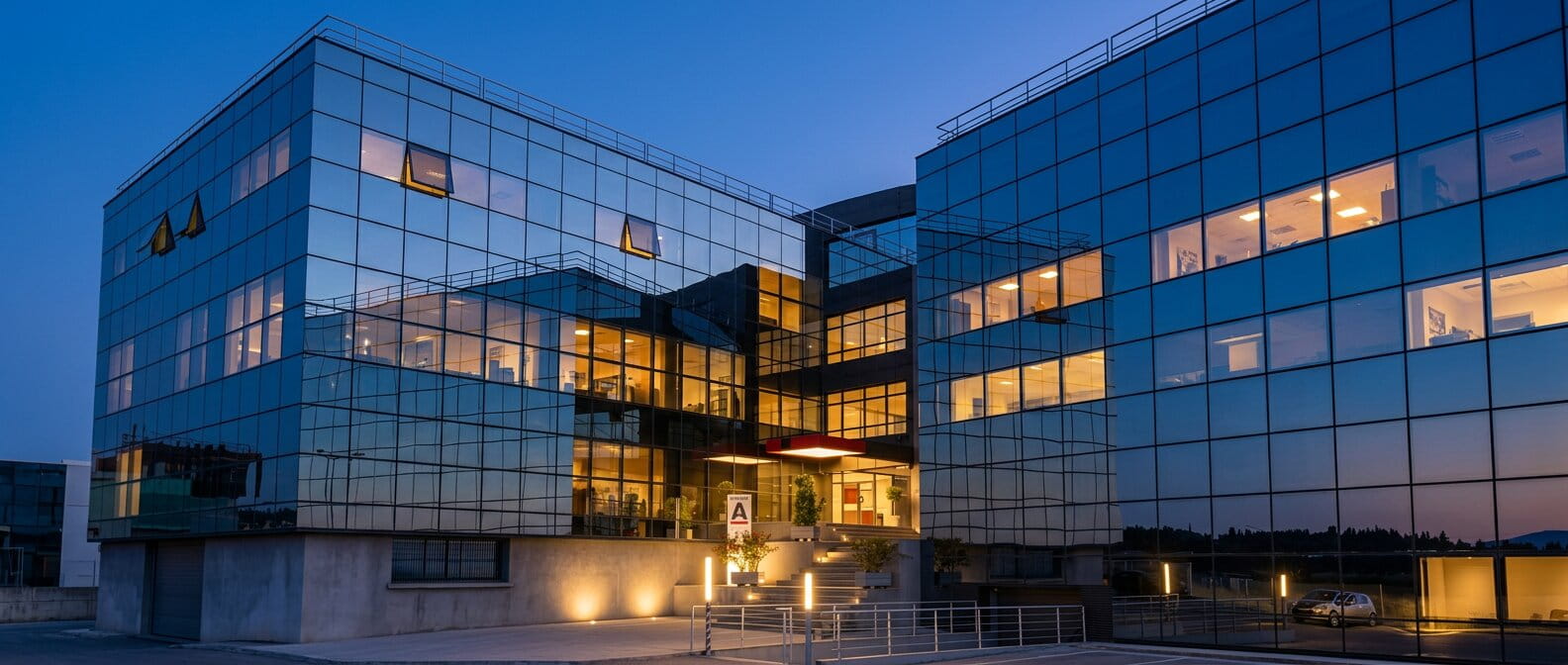
The laboratories where your education becomes real.
This is not a teaching-only program. You will work in the same laboratories as AUTh's research teams — using the same equipment, alongside the same scientists who publish in top international journals.
Research-grade facilities. Teaching-level access.
At most universities, teaching labs are separate from research labs. At AUTh, the distinction barely exists. The equipment you use as a third-year student is the same equipment the research group uses to produce results that appear in international journals.
This matters because it changes the nature of your education. You are not practising techniques on simplified setups — you are learning to work with real instruments, producing real data, and understanding the gap between textbook theory and experimental reality. That gap is where materials scientists are made.
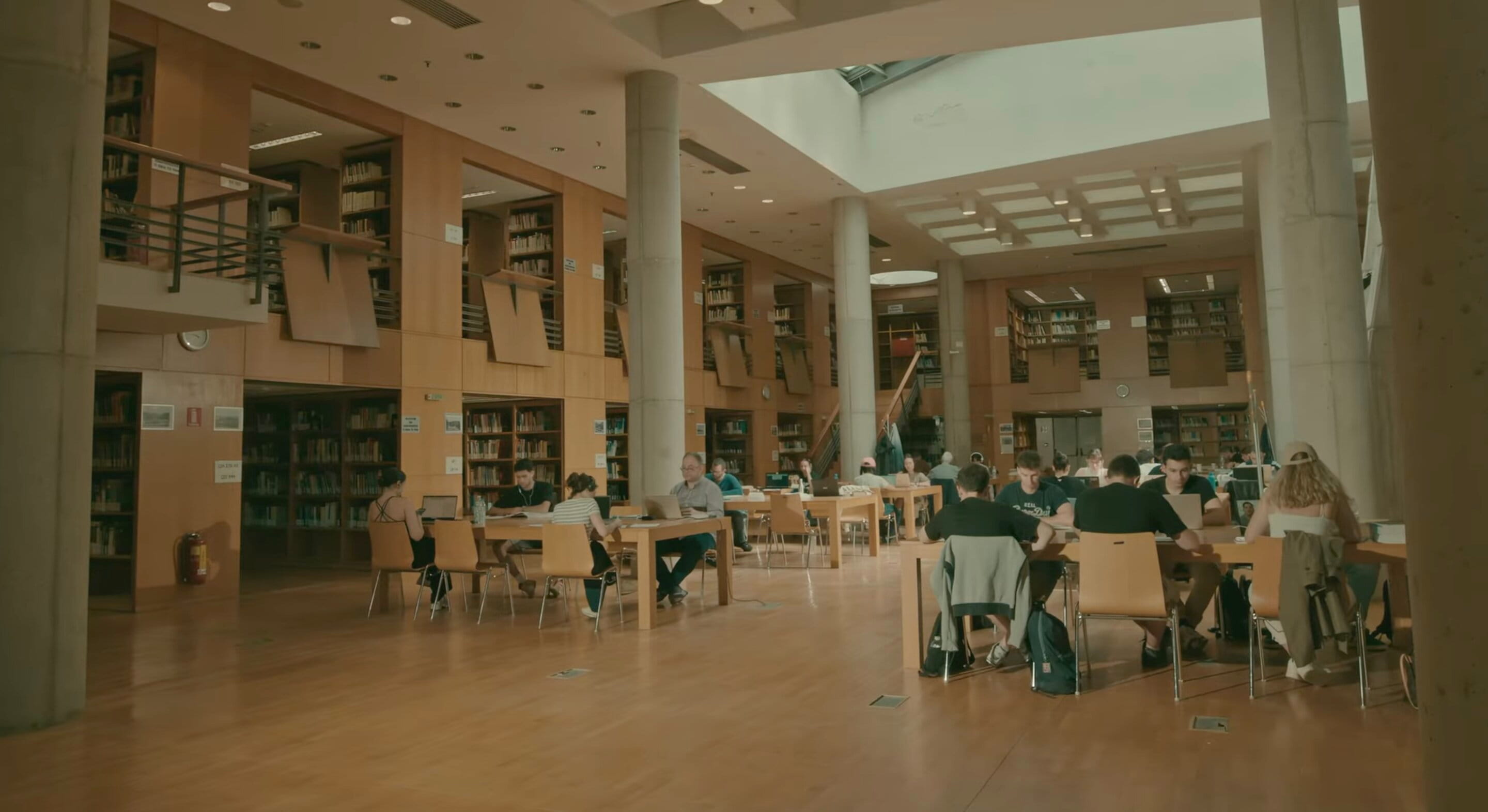
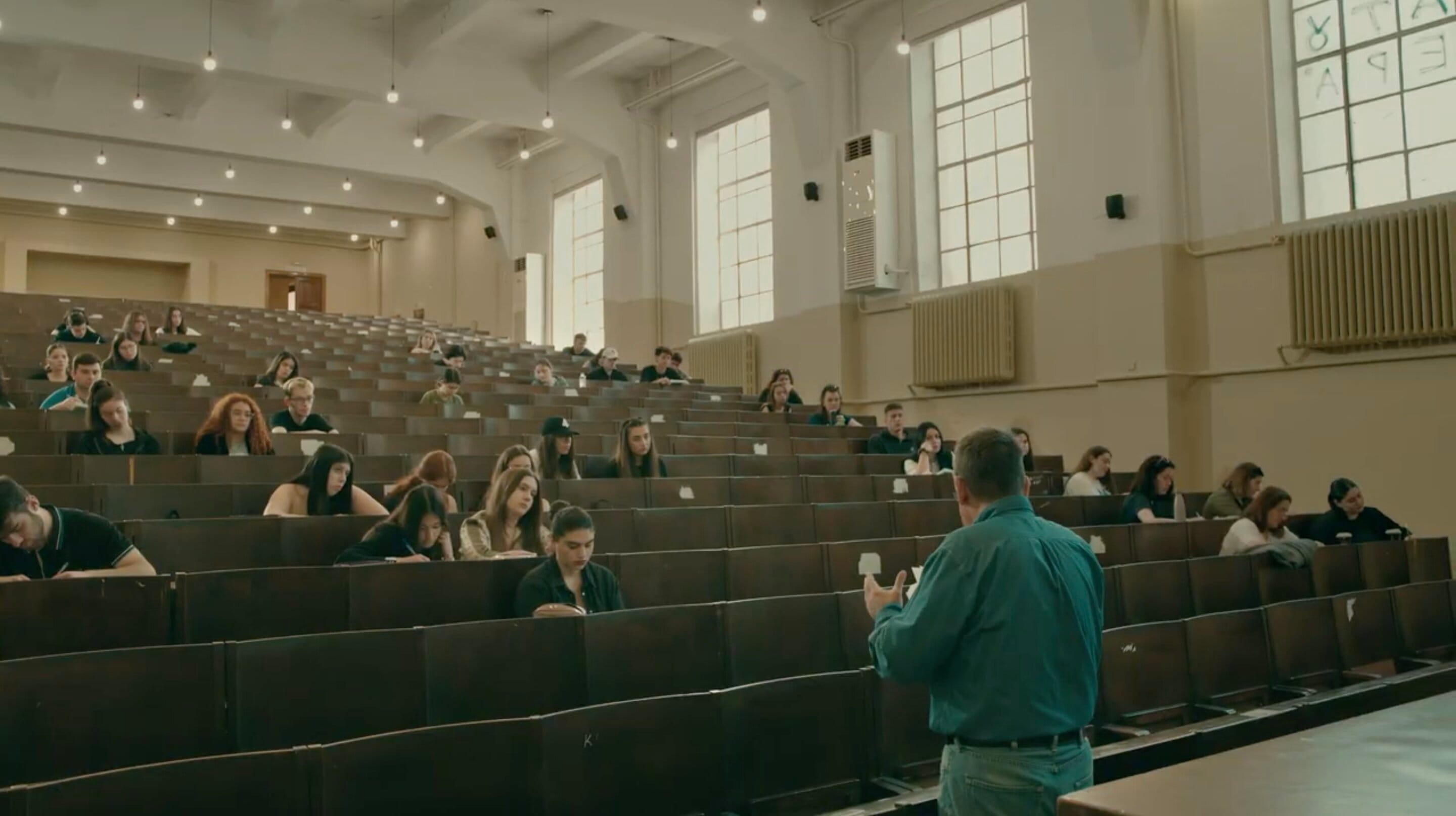
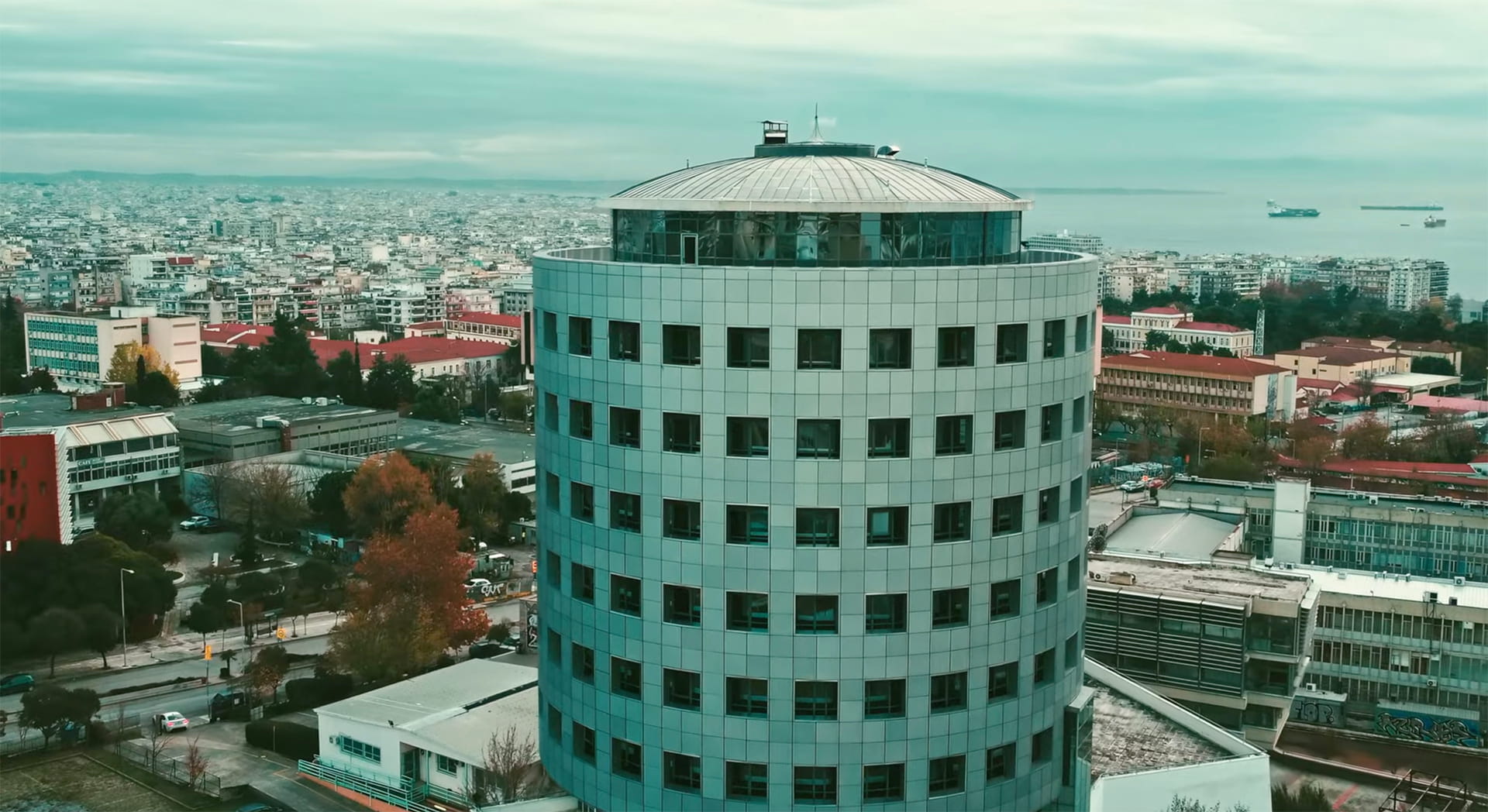
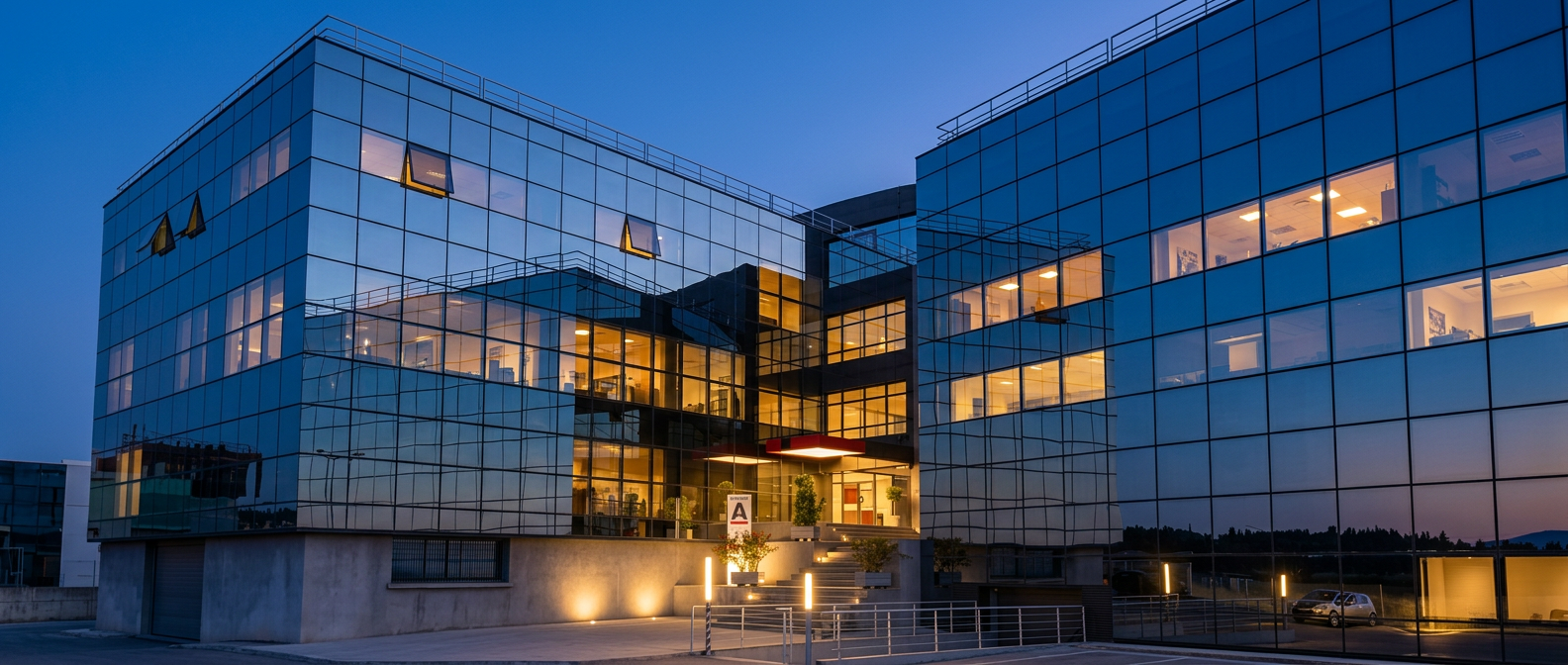
All 18 participating laboratories.
The MSE programme draws on laboratories across three departments. All listed facilities are accessible to students as part of the curriculum — with extended access for thesis research available from year 5.
Physical Metallurgy
Laboratory.
One of AUTh's most internationally connected research labs — directed by Prof. Nikolaos Michailidis, CIRP Fellow and Research Professor at Texas A&M. The lab covers metallic foams, additive manufacturing, nanoparticle production, coatings, and life-cycle assessment, with a growing trajectory of 93 Scopus-indexed papers in the last five years alone.
2021–2025
director
A&M
affiliate
Connected to the region's leading research ecosystem.
MSE students — particularly those undertaking thesis research in year 5 — have access to infrastructure that extends well beyond the AUTh campus, through formal partnerships with leading research centres and industrial organisations.