One of Europe's largest Universities. One of Europe's most liveable cities.
AUTh is Greece's flagship public university — with 92 years of research leadership, faculty in the global top 2%, and a campus at the heart of a city that has welcomed students from across the world for centuries.
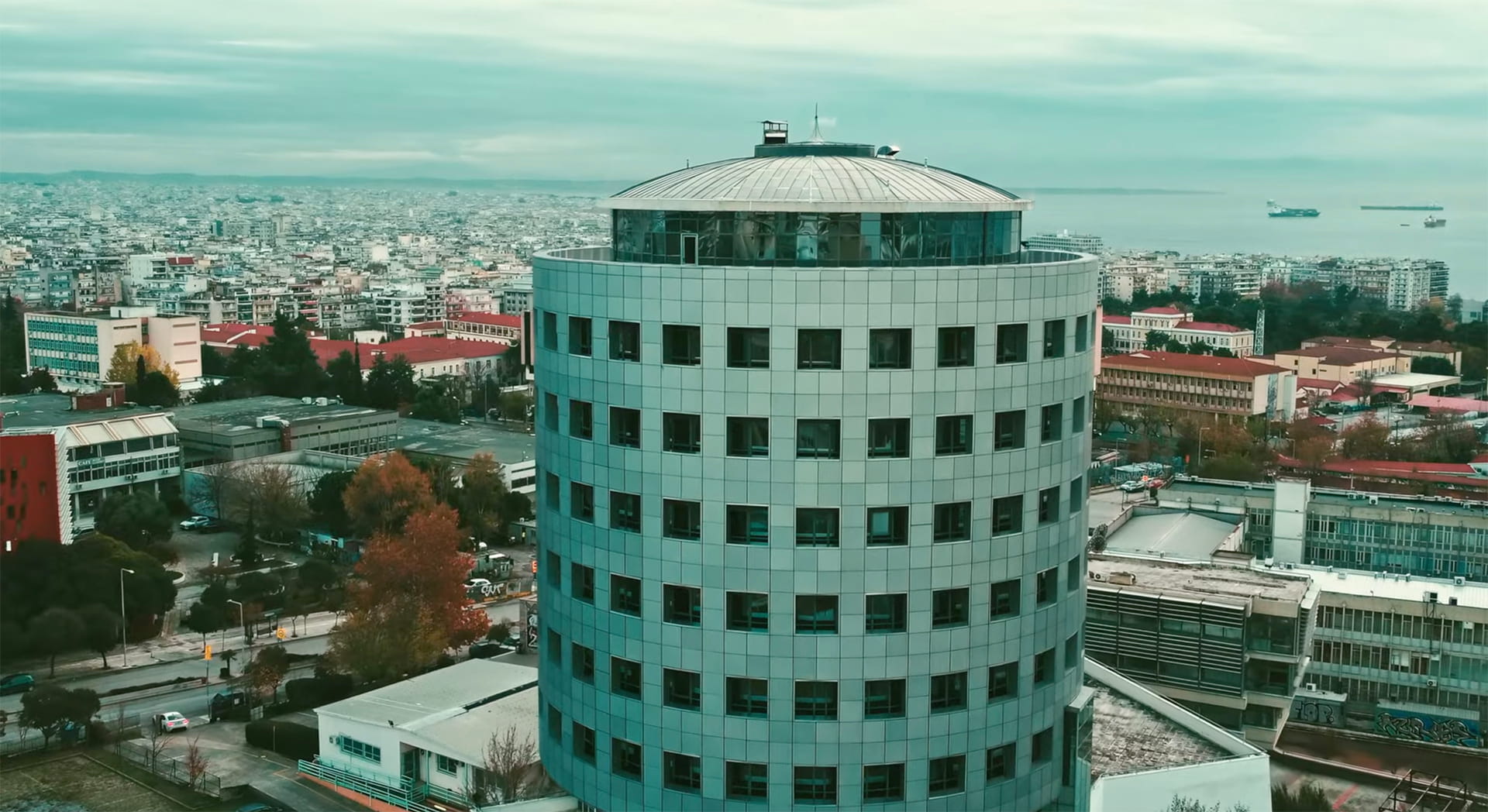
Greece's largest and most research-intensive university.
Founded in 1925, the Aristotle University of Thessaloniki is the largest university in Greece and one of the most important research universities in south-eastern Europe. With 11 schools, 41 departments, and over 40,000 students, it is a true research university in the European tradition — combining deep disciplinary expertise with broad interdisciplinary collaboration.
AUTh ranks in the 501–600 band in the Academic Ranking of World Universities (ARWU, Shanghai Rankings) — placing it among the top universities globally and the highest-ranked institution in Greece in several subject fields. In Chemistry, it ranks first in Greece (US News Global Universities 2025) by a significant margin over other Greek institutions.
As a public university of the Greek state, AUTh's degrees are automatically recognised across the European Higher Education Area — and its qualifications carry the full weight of EU academic and professional recognition frameworks.
A university measured by what it produces.
The strength of AUTh is not in its size — it is in the depth of its research output and the international standing of its faculty. For MSE students, this means learning from scientists who are actively advancing the frontiers of the field.
The academic homes of the MSE programme.
The MSE programme draws on the combined expertise of three of AUTh's most research-active departments — each with its own deep disciplinary tradition, and each contributing a distinct perspective to the interdisciplinary curriculum.
Ranked first in Greece in Chemistry (US News 2025), the Department of Chemistry brings expertise in physical chemistry, electrochemistry, polymer science, inorganic materials, organic synthesis, analytical chemistry and biochemistry. It is the leading department of the MSE programme and contributes the largest share of the curriculum and faculty.
One of Greece's largest and most research-active physics departments, with world-class capability in electron microscopy, thin film technology, optical spectroscopy, magnetic materials, solid-state physics and nanoscience. Provides the MSE programme with its core characterisation and condensed matter physics curriculum.
A highly research-active engineering department with deep expertise in metallic materials, additive manufacturing, composite structures, manufacturing processes, sustainable engineering and thermomechanical processing. Co-founder of the Aluminium Centre of Excellence with Alumil and home of the award-winning Aristotle Racing Team.
A city that has always welcomed students from across the world.
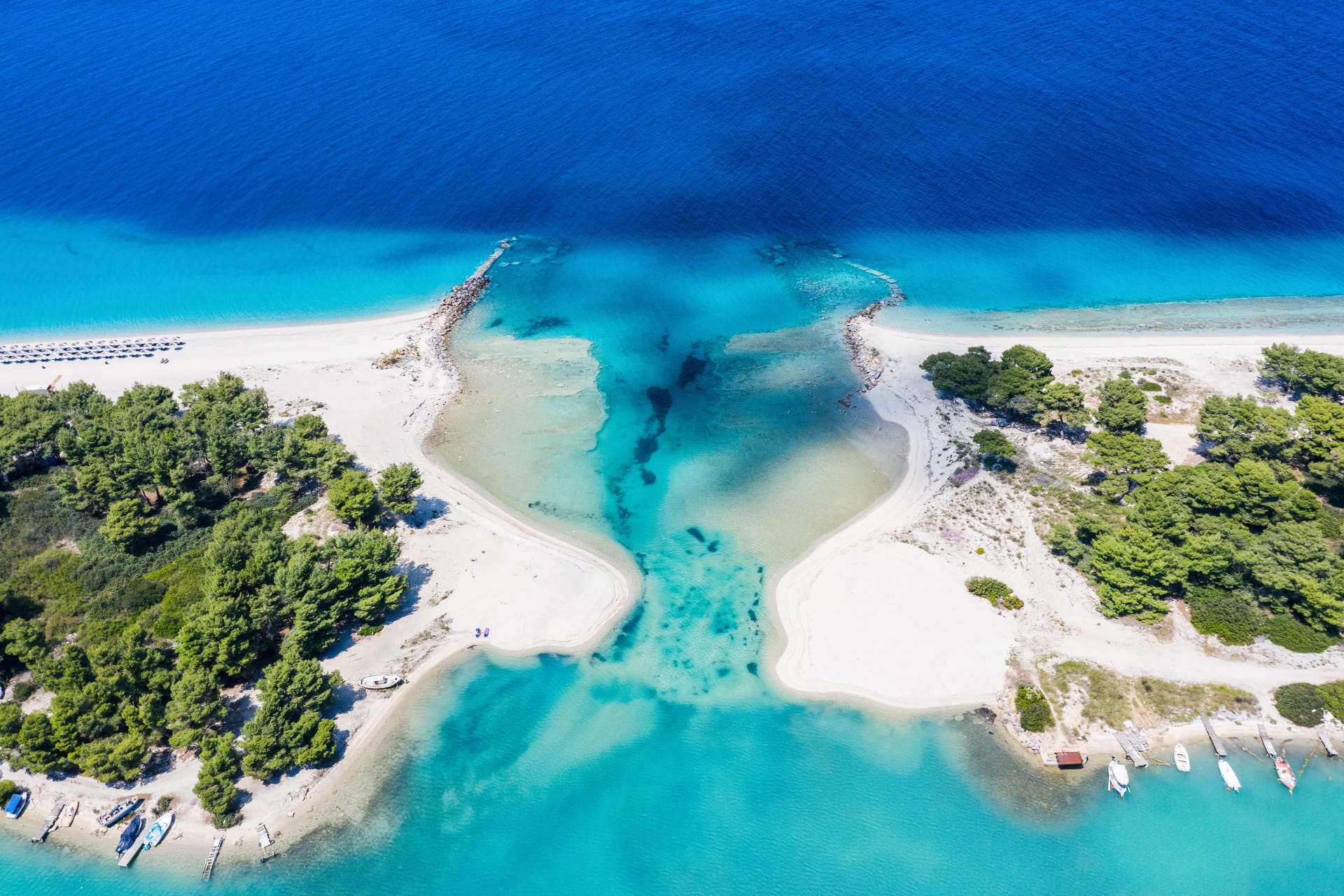
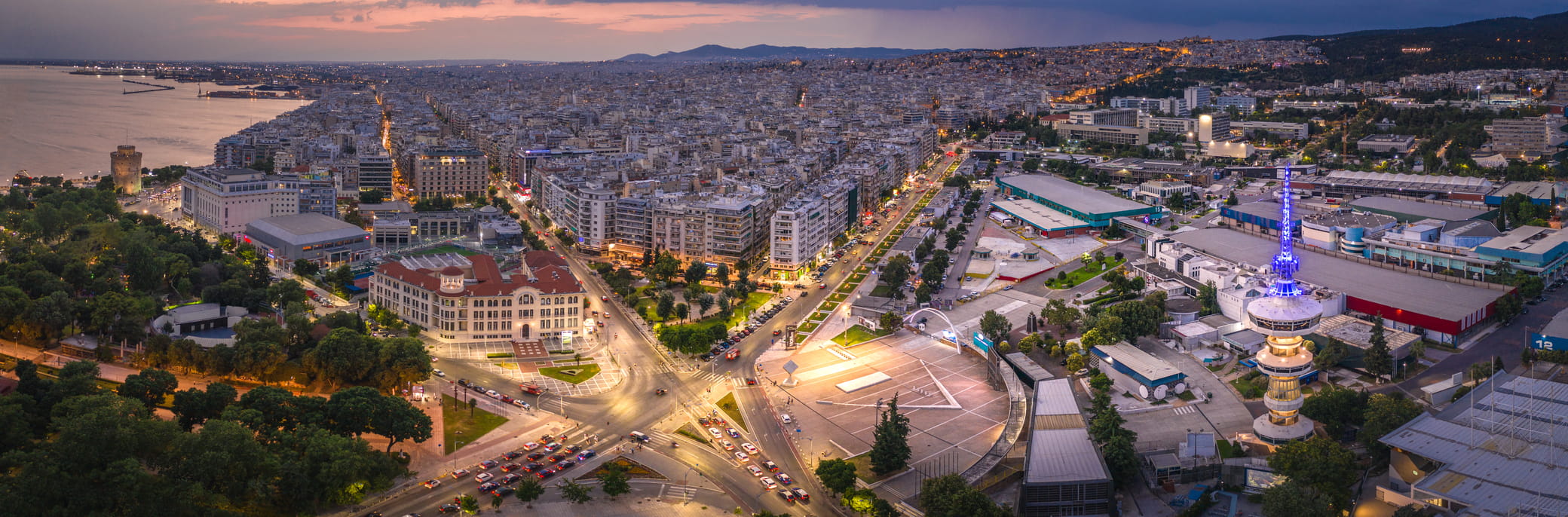
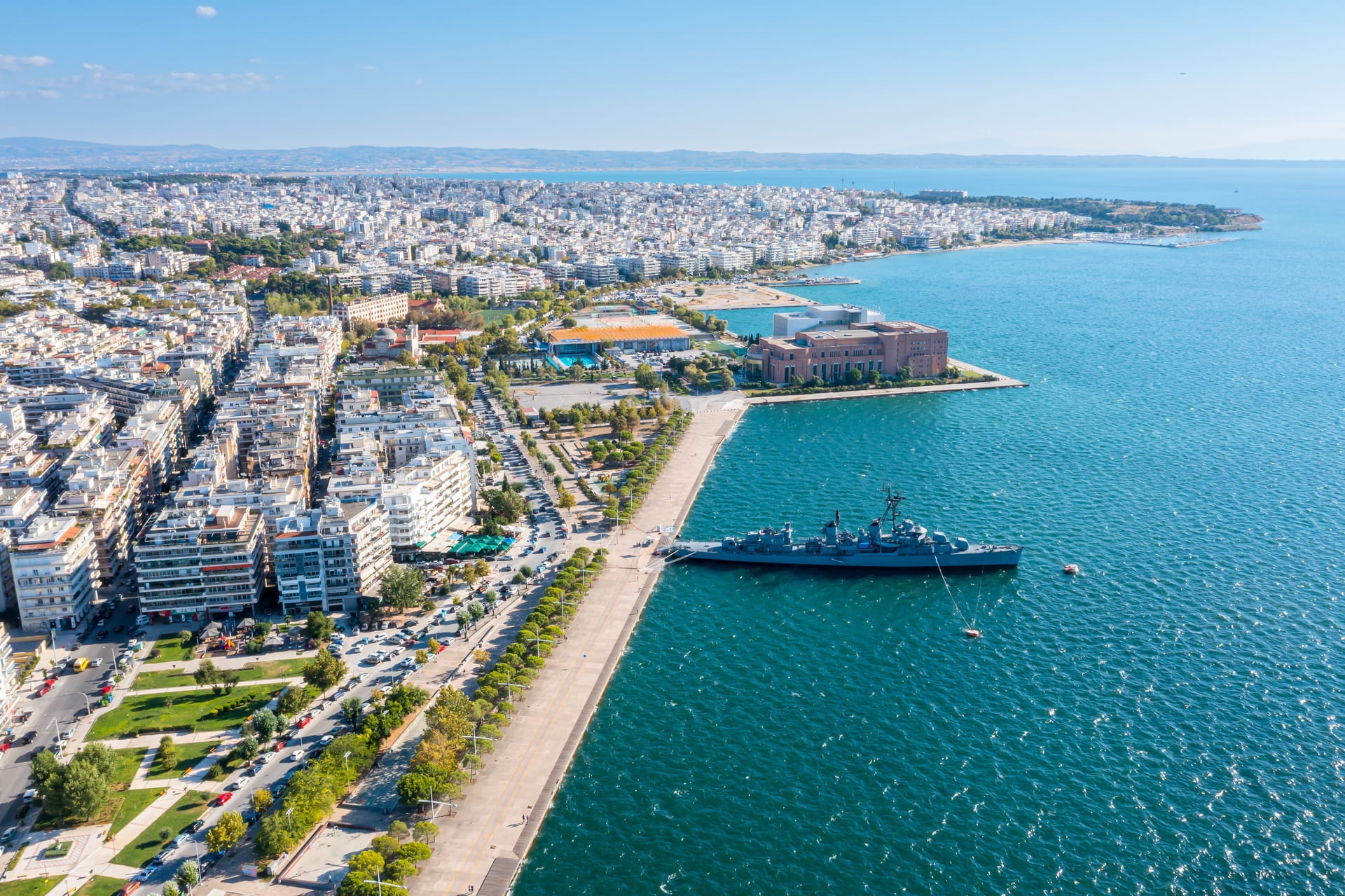
Thessaloniki is Greece's second city — a Mediterranean port at the crossroads of Europe, the Balkans and the Middle East. It is one of the most culturally rich, historically layered, and student-friendly cities in Europe. And it is extraordinarily affordable. Just a short distance away lies Halkidiki, home to the finest beaches and most vibrant summer lifestyle in Northern Greece.
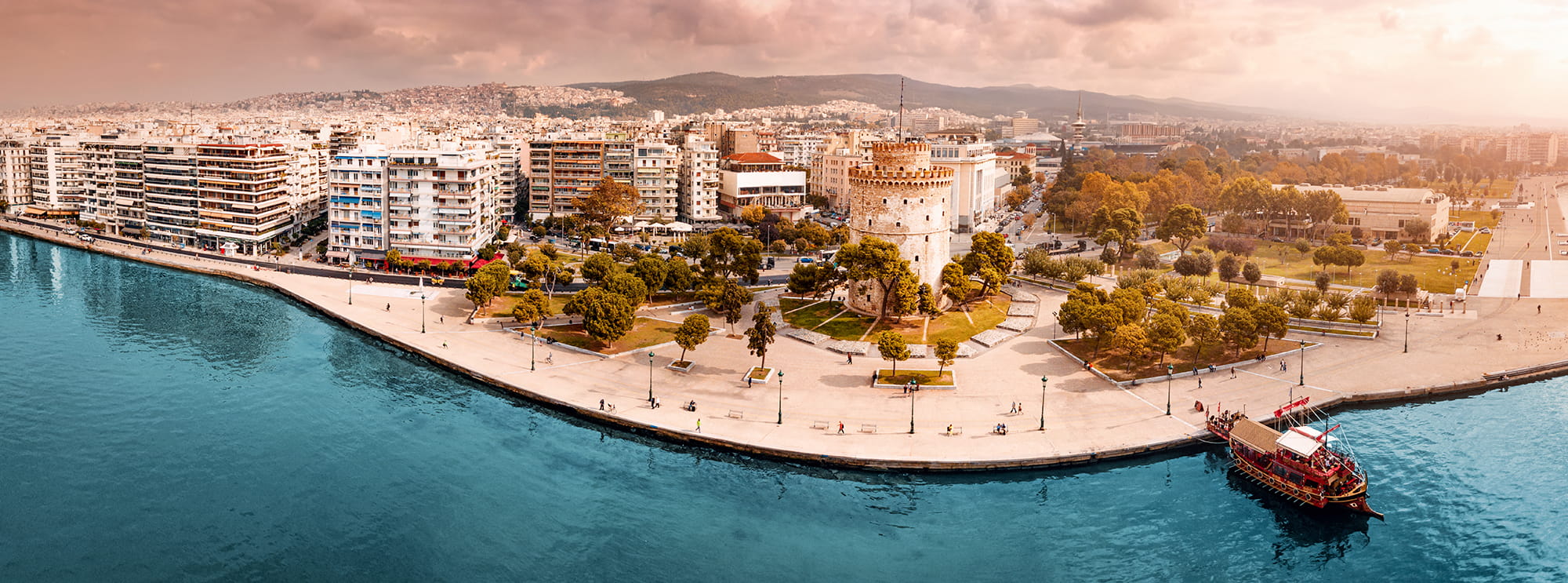
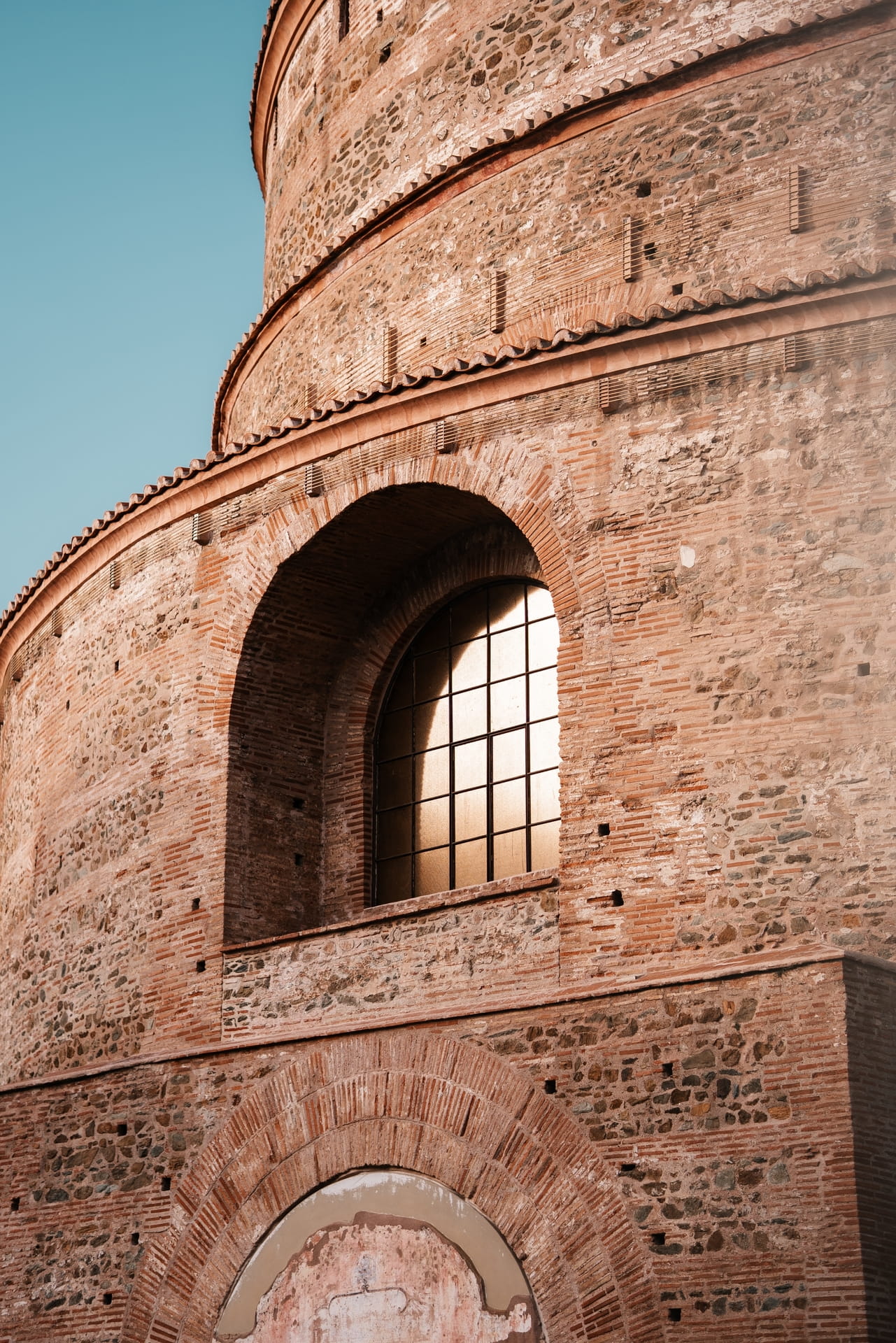
Thessaloniki is not a university town in the traditional sense — it is a proper city, with a metropolitan population of over one million, a thriving cultural scene, and a history stretching back more than 2,300 years. It was a major Byzantine imperial city, a centre of Ottoman commerce, and a cosmopolitan port that has always been home to communities from across the Mediterranean world.
Is the second-largest city in Greece, with slightly over one million citizens in its metropolitan area, administrative capital of Macedonia, united to many cities internationally through SKG airport.
Today it is home to over 150,000 students — making it one of the most student-dense cities in Europe per capita. The combination of a large, diverse student population, a vibrant food and music culture, and a climate of mild winters and warm summers makes it one of the most popular student cities in south-eastern Europe.
For international students from North Africa, the Middle East and South Asia, Thessaloniki offers something that few European cities can match: a city that is cosmopolitan without being expensive, safe without being isolated, and culturally familiar enough to feel like home — while being unmistakably, richly European.
Significantly below the EU average — without compromise on quality of life.
The following figures represent typical monthly costs for a student living independently in Thessaloniki in 2025. Shared accommodation reduces these costs further.
A self-contained campus in the heart of a living city.
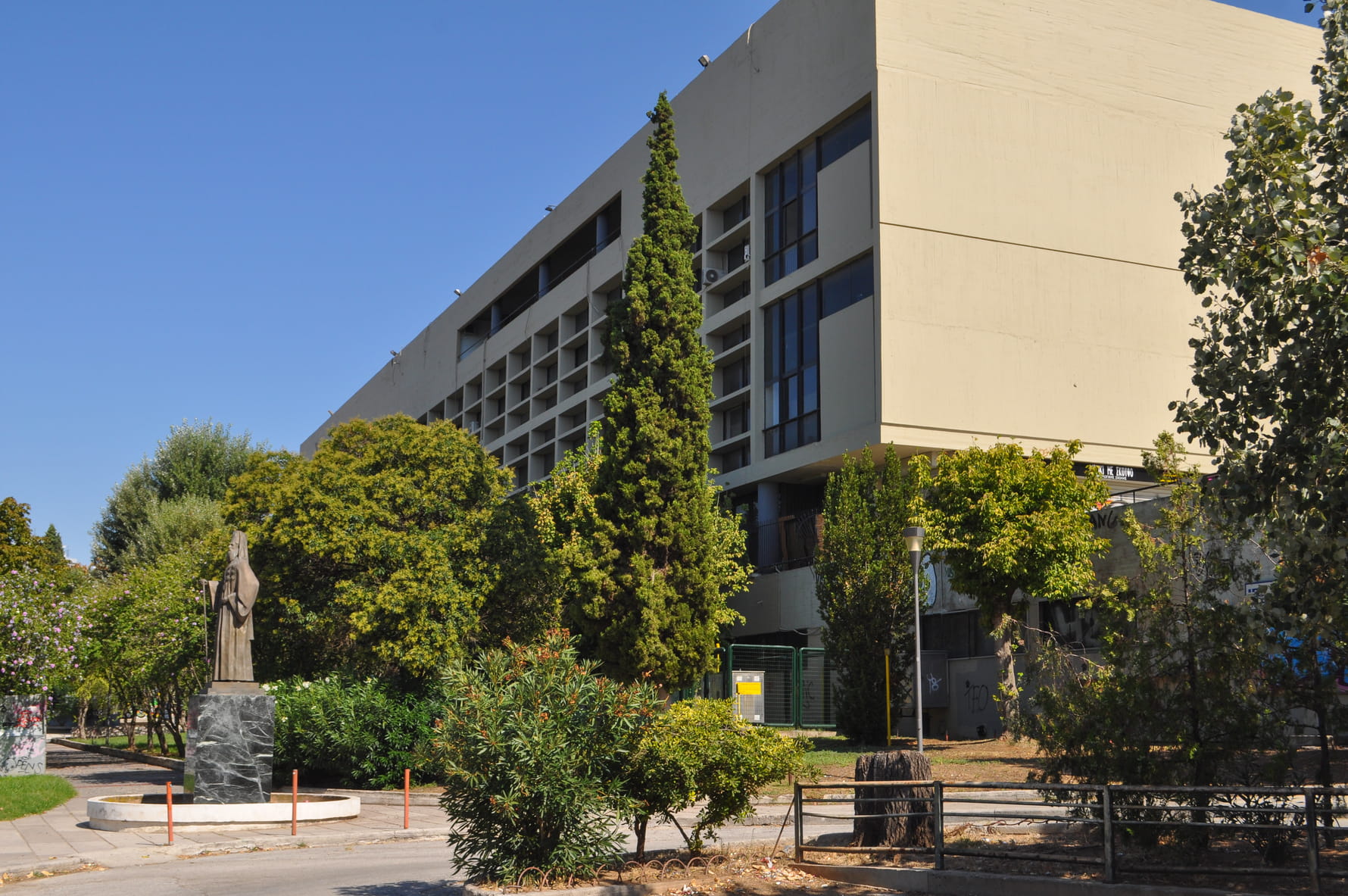
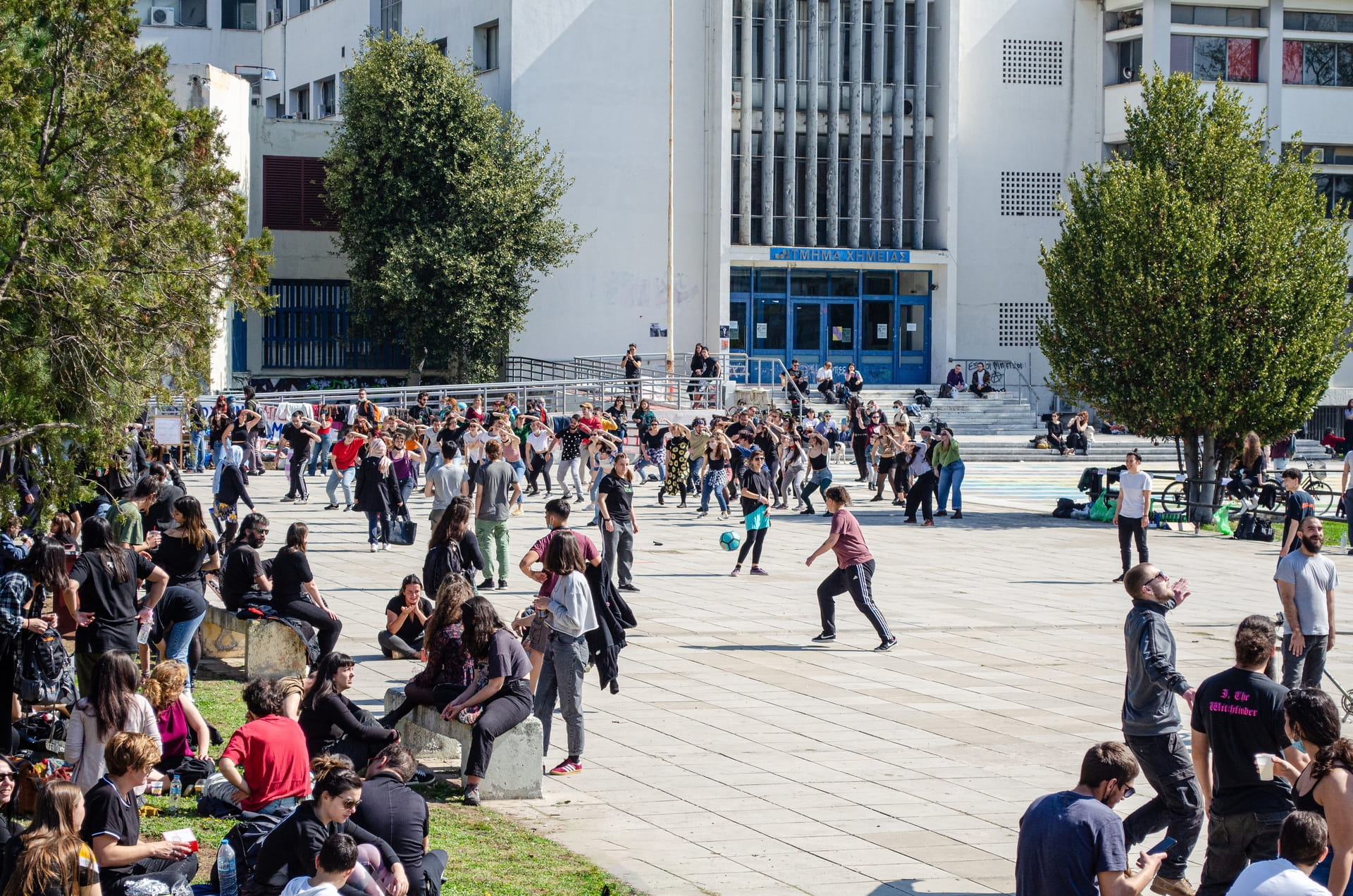
The AUTh campus is one of the largest university campuses in south-eastern Europe — a 33-hectare urban campus located within the city, not on its outskirts. The Chemistry, Physics and Mechanical Engineering departments are all situated within the main campus, meaning MSE students have everything within walking distance: laboratories, libraries, student unions, cafés and sports facilities.
The campus hosts a full range of student organisations, sports clubs, cultural societies and international student networks. AUTh is an active participant in the Erasmus+ programme, with over 400 partner universities across Europe — giving students opportunities for exchange and summer schools throughout their degree.
Student support services include an international student office, academic counselling, psychological support, and accommodation assistance. The university's student health service is free for enrolled students, as is access to all campus libraries and digital resources.
Students will have the opportunity to enroll in the School of Modern Greek Language of the Aristotle University of Thessaloniki, in order to learn Greek for the first three (3) years of studies.
100 years.
300,000 alumni.
Greece's flagship university.
AUTh was founded in 1925 — three years after the major population exchange between Greece and Turkey — as a national university for the new, enlarged Thessaloniki. It was named after Aristotle, the philosopher born in Stageira in northern Greece, whose intellectual legacy defines the university's commitment to empirical enquiry and disciplinary breadth.
Over nine decades, AUTh has educated hundreds of thousands of Greek professionals — doctors, engineers, scientists, lawyers, economists and artists who have shaped modern Greek society and contributed to institutions and industries across the world. Today it remains Greece's largest university by student enrolment and one of its most research-active institutions by publication output and funding secured.
The Materials Science & Engineering programme — the first English-taught undergraduate programme of its kind in Greece — represents a new chapter in that history: a programme designed from the ground up for an international generation of students who want a European education without European prices.