A curriculum built at the frontier of materials science and engineering.
Explore the full course structure — from foundational mathematics and chemistry in year one, through advanced specialisation and original research in year five.
From atomic structure to engineering application — in five years.
The curriculum is designed as a progression — not a collection of separate subjects. In the early years you build the scientific and mathematical foundations common to all materials scientists. From year three, you begin to specialise. In year five, you conduct original research.
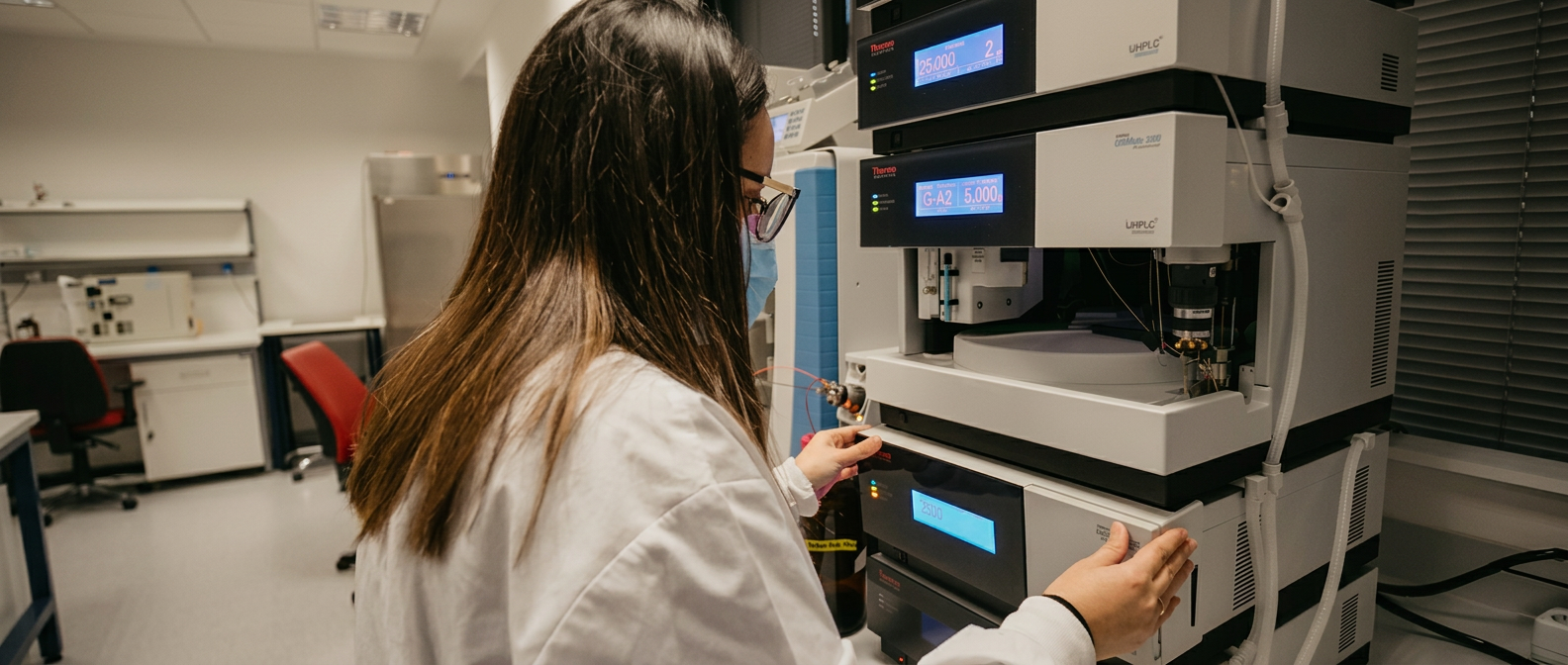
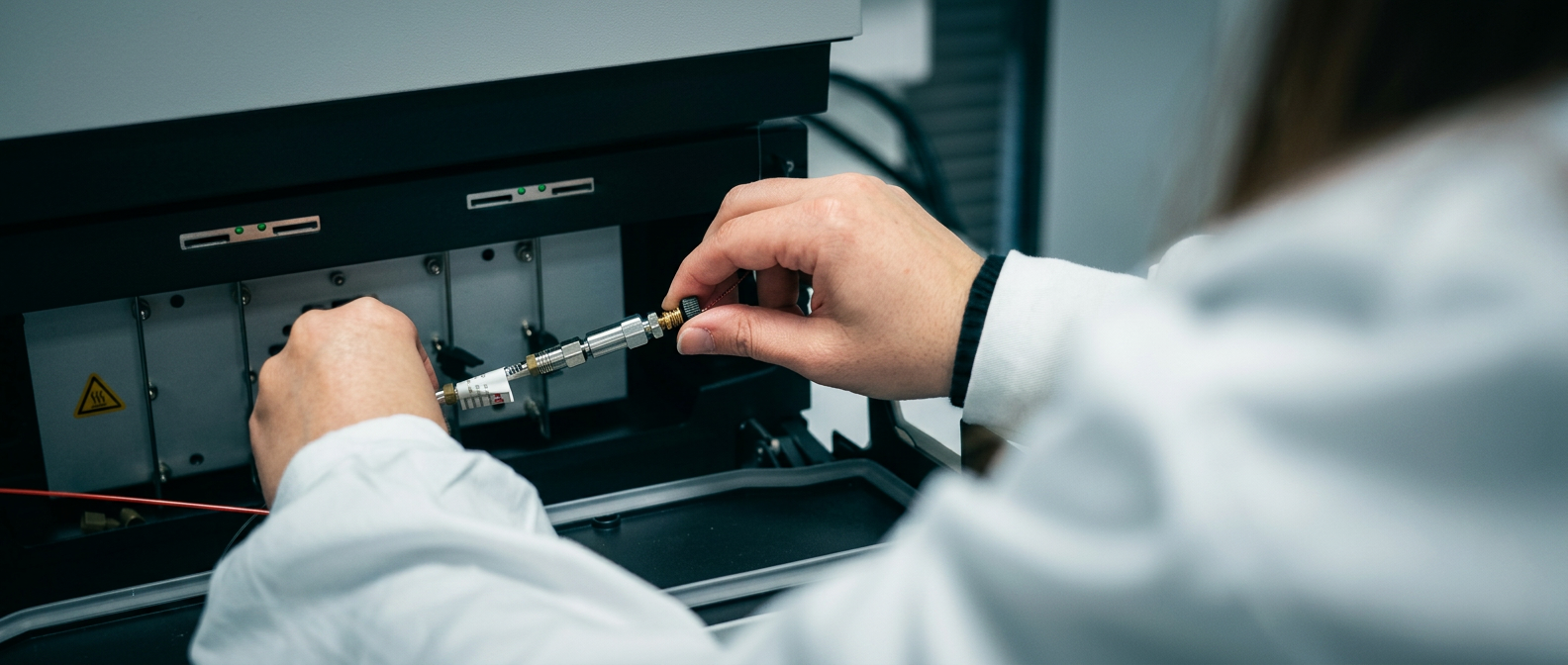
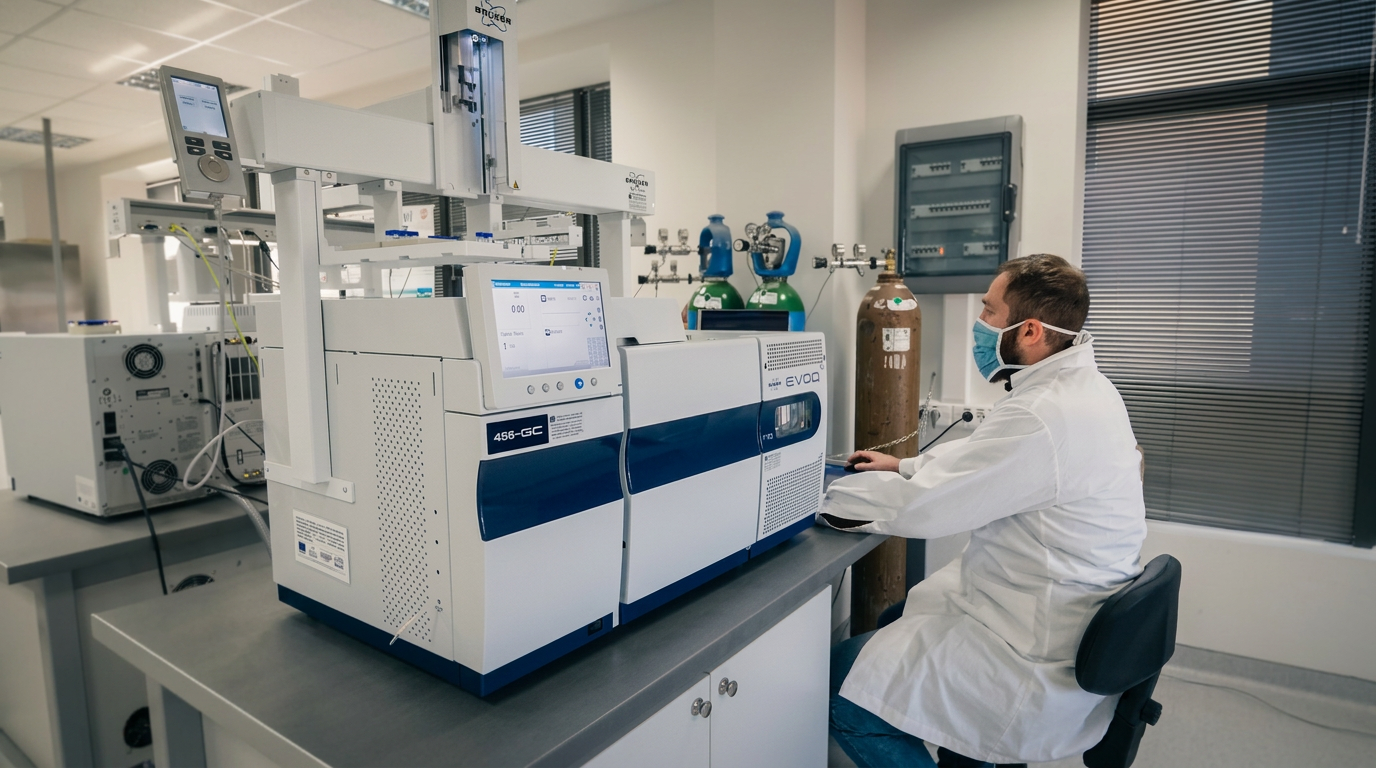
Every semester includes laboratory work. This is not a desk-based degree. You will work with real materials, real equipment, and real experimental methods from the very beginning — building practical competence that grows with your theoretical understanding.
Courses are drawn from three departments — Chemistry, Physics, and Mechanical Engineering. You will always know which discipline a course comes from, and you will progressively see how the three perspectives converge into a single coherent understanding of materials.
All courses, year by year.
Click any year to expand and see the full course list for that year. Core courses are compulsory. Elective courses allow you to specialise in year 4. All courses are taught in English.
| Course | Type | ECTS | Outline |
|---|---|---|---|
| Semester 1 | |||
MSEN 101Introduction to Materials Science and Engineering | Core | 6 | Syllabus |
MSEN 102Fundamentals of Chemistry | Core | 6 | Syllabus |
MSEN 103Physics for Scientists and Engineers I – Mechanics & Waves | Core | 6 | Syllabus |
MSEN 104Mathematics I – Algebra, Analytic Geometry and Introduction to Calculus | Core | 6 | Syllabus |
MSEN 105Materials Informatics | Core | 6 | Syllabus |
| Semester 2 | |||
MSEN 201Organic Chemistry | Core | 6 | Syllabus |
MSEN 202Fundamentals of Chemistry Laboratory | Core | 6 | Syllabus |
MSEN 203Physics for Scientists and Engineers II – Electricity & Magnetism | Core | 6 | Syllabus |
MSEN 204Mathematics II – Advanced Calculus | Core | 6 | Syllabus |
MSEN 205Bonding, Crystallography, Crystal Defects | Core | 6 | Syllabus |
| Course | Type | ECTS | Outline |
|---|---|---|---|
| Semester 3 | |||
MSEN 301Physical Chemistry | Core | 6 | Syllabus |
MSEN 302Organic Chemistry Laboratory | Core | 6 | Syllabus |
MSEN 303Data Analysis – Statistics | Core | 6 | Syllabus |
MSEN 304Thermodynamics | Core | 6 | Syllabus |
MSEN 305Introduction to Solid Mechanics | Core | 6 | Syllabus |
| Semester 4 | |||
MSEN 401Inorganic Materials Chemistry | Core | 6 | Syllabus |
MSEN 402Physical Chemistry Laboratory | Core | 6 | Syllabus |
MSEN 403Design and Analysis of Materials Experiments | Core | 6 | Syllabus |
MSEN 404Condensed Matter Physics | Core | 6 | Syllabus |
MSEN 405Polymer Science and Engineering: Theory and Laboratory | Core | 6 | Syllabus |
| Course | Type | ECTS | Outline |
|---|---|---|---|
| Semester 5 | |||
MSEN 501Inorganic Materials Chemistry Laboratory | Core | 6 | Syllabus |
MSEN 502Materials Characterization | Core | 6 | Syllabus |
MSEN 503Ceramics | Core | 6 | Syllabus |
MSEN 504Chemical Process Engineering | Core | 6 | Syllabus |
MSEN 505Mechanical Behavior of Engineering Materials | Core | 6 | Syllabus |
| Semester 6 | |||
MSEN 601Design of Materials in the Atomic Scale | Core | 6 | Syllabus |
MSEN 602Materials Characterization Laboratory | Core | 6 | Syllabus |
MSEN 603Industrial Process Design and Economics | Core | 6 | Syllabus |
MSEN 604Engineering Laboratory (mechanical testing, non-destructive testing) | Core | 6 | Syllabus |
MSEN 605Composite Materials | Core | 6 | Syllabus |
| Course | Area | Type | ECTS | Outline |
|---|---|---|---|---|
| Semester 7 | ||||
MSEN 701Materials Selection in Engineering Design | - | Core | 6 | Syllabus |
MSEN 702Materials Processing | - | Core | 6 | Syllabus |
MSEN 711Fundamentals of Additive Manufacturing | Materials Manufacturing & Circular Economy | Elective | 6 | Syllabus |
MSEN 712Powder Metallurgy | Materials Manufacturing & Circular Economy | Elective | 6 | Syllabus |
MSEN 713Materials Circular Economy and LCA | Materials Manufacturing & Circular Economy | Elective | 6 | Syllabus |
MSEN 721Surfaces and Interfaces and Thin-Film Materials Science | Micro & Nanotechnology Engineering | Elective | 6 | Syllabus |
MSEN 722Nanomaterials and Nanotechnologies | Micro & Nanotechnology Engineering | Elective | 6 | Syllabus |
MSEN 723Fundamentals of Semiconductor Materials | Micro & Nanotechnology Engineering | Elective | 6 | Syllabus |
MSEN 731Bio-organic Materials | Biomaterials & Biotechnology | Elective | 6 | Syllabus |
MSEN 732Biochemistry Theory and Laboratory | Biomaterials & Biotechnology | Elective | 6 | Syllabus |
MSEN 733Bio Inorganic Materials for Biomedical and Clinical Applications | Biomaterials & Biotechnology | Elective | 6 | Syllabus |
| Semester 8 | ||||
MSEN 801CAD-CAE in Materials | - | Core | 6 | Syllabus |
MSEN 802Deformation and Failure of Engineering Materials | - | Core | 6 | Syllabus |
MSEN 811Solidification, Casting and Welding | Materials Manufacturing & Circular Economy | Elective | 6 | Syllabus |
MSEN 812Waste Valorization and Advanced Recycling Technologies | Materials Manufacturing & Circular Economy | Elective | 6 | Syllabus |
MSEN 813Critical Raw Materials | Materials Manufacturing & Circular Economy | Elective | 6 | Syllabus |
MSEN 821Optoelectronics and Sensors: Materials and Applications | Micro & Nanotechnology Engineering | Elective | 6 | Syllabus |
MSEN 822Materials and Systems in Energy Technologies | Micro & Nanotechnology Engineering | Elective | 6 | Syllabus |
MSEN 823Electronic Materials Processing | Micro & Nanotechnology Engineering | Elective | 6 | Syllabus |
MSEN 831Bio-inspired Engineering | Biomaterials & Biotechnology | Elective | 6 | Syllabus |
MSEN 832Biomechanics | Biomaterials & Biotechnology | Elective | 6 | Syllabus |
MSEN 833Structural Biochemistry and Bioinformatics | Biomaterials & Biotechnology | Elective | 6 | Syllabus |
Advanced Project Work |
Project | 12 | — | |
| Course | Type | ECTS |
|---|---|---|
| Semester 9 | ||
Computational Methods in Engineering Design |
Core | 6 |
Materials and Environment |
Core | 6 |
Research Methodology |
Core | 6 |
Diploma Thesis I |
15 | |
| Semester 10 | ||
Smart Materials and Systems |
Core | 6 |
AI and Machine Learning in Materials Science and Engineering |
Core | 6 |
Seminars (soft skills, entrepreneurship & innovation, IP rights, patents, startups) |
Core | 6 |
Diploma Thesis II |
15 | |
Choose your focus from year 4.
From semester 7, students begin focused specialisation within one of three areas of Materials Science & Engineering. Each track builds advanced knowledge and technical capacity in a field connected to high-demand research, industrial and innovation sectors.